Running costs
Toner Cartridge Recycling for Businesses: How to Do It
Written by Printer.business Editorial Team · Updated
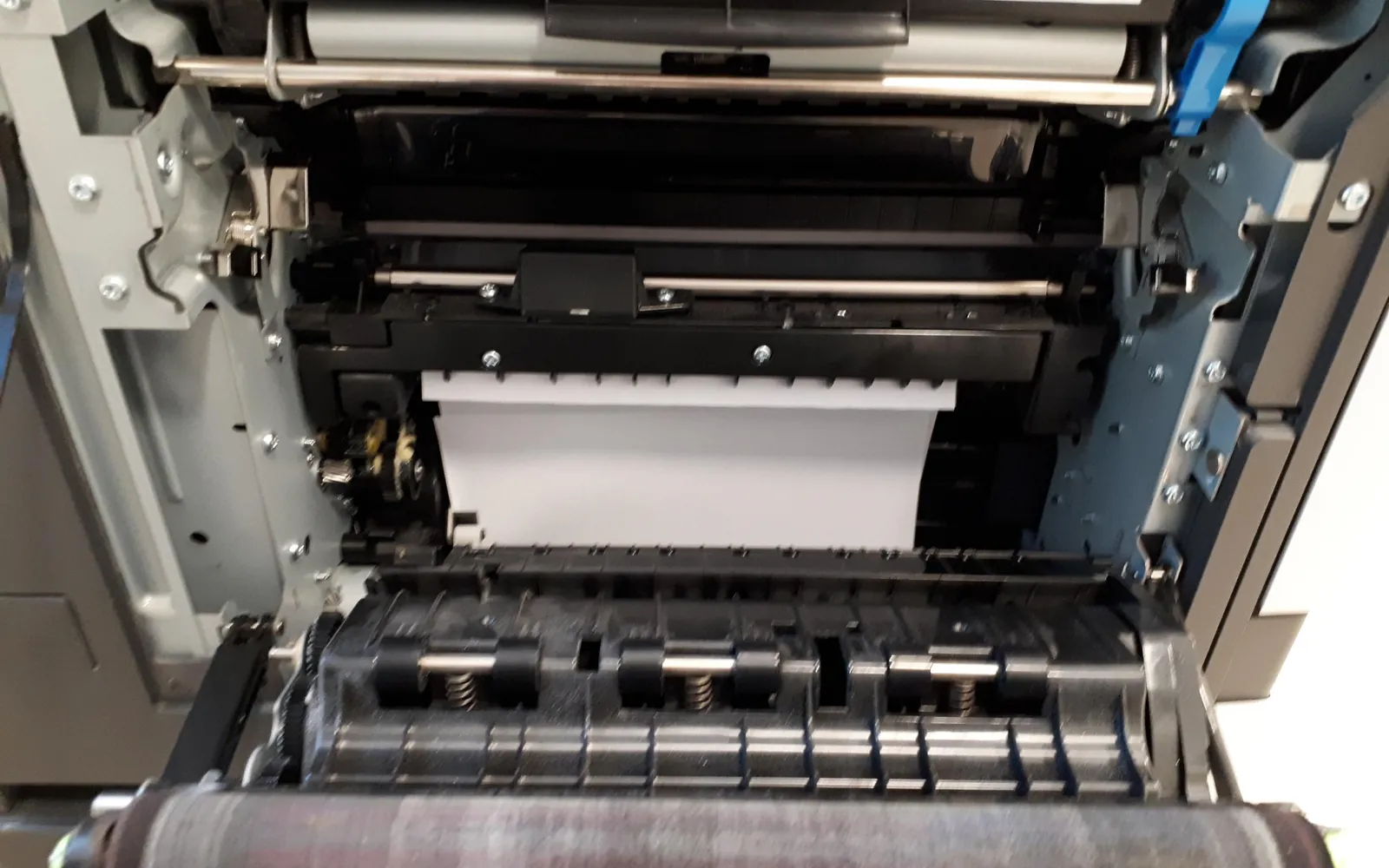
Toner cartridge recycling is one of the easier environmental wins for an office, but it only works if empty cartridges actually reach a recycling or remanufacturing route rather than the general bin. A busy office can go through many cartridges, drums and waste toner containers a year. This guide explains the routes available to businesses, how to store and send empties, and how to reduce the number you use in the first place.
What needs recycling
A laser printer or copier produces several kinds of consumable waste:
- Toner cartridges: plastic housings, sometimes with metal parts and a chip, with some residual toner.
- Drum units or imaging units: on many devices separate from the toner.
- Waste toner containers: collect toner that was not transferred to paper; full of fine powder.
- Fuser units and other parts replaced during servicing.
- Ink cartridges from inkjet devices.
None of these belong in general office waste or mixed recycling.
The main recycling routes
Manufacturer take-back
Many printer manufacturers run take-back programmes for their own cartridges in some countries, with prepaid labels or collection boxes for businesses. Check the manufacturer’s website for your country and model; programmes and accepted items differ by region.
Your dealer or managed print provider
If you have a service or cost per click agreement, the provider may collect empties when delivering new toner. Ask whether this is included and what happens to the cartridges afterwards. If you are writing a printer RFP, add a question about it.
Remanufacturers
Remanufacturers buy or accept empty cartridges, clean them, replace worn parts and refill them for resale. This keeps the housing in use, which is generally better than recycling the materials.
Licensed waste collectors
General waste contractors and electronic waste collectors can take cartridges, drums and other parts, usually as part of a wider business waste service. Ask for confirmation of how the items are processed.
Storing empties safely
Toner is a fine powder that spreads easily. To keep the collection point clean:
- Put each empty back in the bag or box the new one came in.
- Seal waste toner containers with the caps provided, as the device instructions describe.
- Keep the collection box away from heat and out of walkways.
- Do not try to empty or open cartridges.
If toner spills, follow the printer manufacturer’s guidance; avoid using an ordinary vacuum cleaner on toner.
Rules that apply to printers and parts
The cartridges themselves are consumables, but the printers and some parts are electrical equipment. In the EU, the WEEE rules set out how electrical and electronic waste must be collected and treated, and the UK has its own producer responsibility rules. In the US, the EPA lists electronics donation and recycling options. When you dispose of a whole device, also wipe stored data first, as explained in our copier hard drive data security guide and end of copier lease guide.
Choosing between routes
Not every route suits every office. Weigh them on a few practical points:
| Point | Questions to ask |
|---|---|
| What is accepted | Toner only, or drums, waste toner containers, ink and parts too? Any brand, or only one maker’s products? |
| Minimum quantity | Is there a minimum number of items per collection or a full box requirement? |
| Collection or drop-off | Do they collect from your premises, send prepaid labels, or require you to deliver? |
| What happens next | Are items reused, remanufactured or broken down for materials? |
| Paperwork | Do you get a receipt, certificate or waste transfer note if you need one? |
| Cost | Is the service free, included in a contract, or charged? |
Small offices often find that one route covers most items, with a general waste contractor as backup for the rest. Larger offices with several printer brands may need two routes. If you change printer supplier, check whether the collection arrangement changes too.
Make it part of the routine
Put one person in charge of the collection point, the same person who orders supplies if possible. When a new cartridge is fitted, the empty goes straight into the box in the new cartridge’s packaging. Add a line to your office print policy so new staff know where empties go, and include collection dates in your office printer maintenance checklist.
Keep a simple log
Record each batch: date, number and type of items, collector or programme, and any receipt or certificate. This helps if you report environmental figures to customers or in tenders, and shows that a route exists if anyone asks.
Remanufactured and compatible toner
Buying remanufactured or compatible toner closes the loop and can lower your cost per page, but quality and yields vary. Before switching:
- Test a small batch on each device.
- Check yields against the original, using page counters. Our toner costs guide explains how yield is measured.
- Check that your service agreement or warranty does not exclude damage from non-original supplies.
Use fewer cartridges
The most effective step is to print less and waste less toner:
- set mono and duplex defaults;
- use secure print release to stop uncollected jobs;
- remove underused devices, since each one needs its own set of supplies;
- choose high-yield cartridges when buying;
- replace cartridges when the device says empty, not at the first warning.
Our guides to the paperless office and reducing office printing costs list more ways to cut pages.
Specialist supplies
Some devices use supplies that need extra attention. Magnetic toner used for MICR check printing should be stored and logged with the check printer, and spent cartridges handled through the same recycling route as other toner unless the supplier says otherwise. Wide format printers use ink cartridges, printheads and maintenance cartridges that collect waste ink; check which of these the manufacturer’s take-back scheme accepts. Knowing when supplies will run out also reduces waste from panic orders and half-used spares, which is one benefit of printer fleet monitoring with SNMP.
Summary
Set up a labelled collection point, pick a route (manufacturer take-back, dealer, remanufacturer or licensed collector), pack empties so toner cannot leak, and keep a log. Recycle whole devices through proper electronic waste channels after wiping data. Then work on printing less, which reduces cartridge waste at the source.
Frequently asked questions
How do I recycle toner cartridges from the office?
Use the manufacturer's take-back programme if one exists for your country, ask your dealer or managed print provider to collect them, or use a remanufacturer or licensed collector. Pack empties in bags or original boxes so toner does not leak.
Can I put toner cartridges in the office recycling bin?
No. They contain plastic, metal and residual toner powder and are not accepted in normal mixed recycling. Use a dedicated collection route.
What about waste toner containers and drums?
They also need a dedicated route. Waste toner containers are full of used toner, so seal them as the device instructions say and check that your collection route accepts them.
Is refilling or buying remanufactured toner a good idea for a business?
It reduces waste and can lower cost per page, but quality and reliability vary between suppliers. Test a small batch, check yields, and confirm your service agreement allows non-original supplies.
Sources
Printer.business Editorial Team
Editorial team
The Printer.business editorial team writes independent guides on choosing, costing and managing office printers, using primary sources such as ISO/IEC standards, ENERGY STAR, NIST and the UK NCSC.